Every person in our community deserves to feel safe, respected, and protected. Safeguarding is at the heart of our pastoral mission.
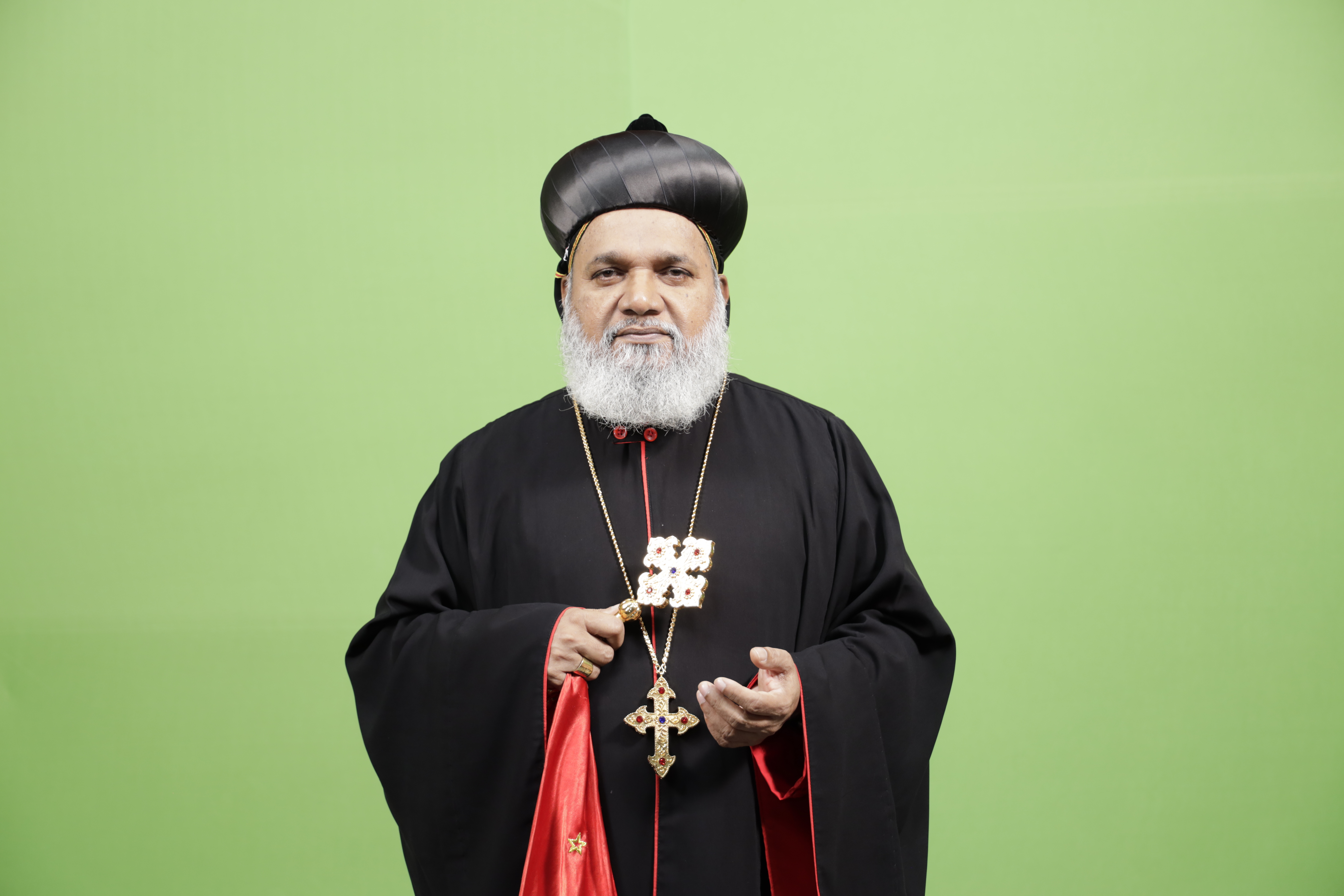
"His Excellency Most Rev. Dr. Kuriakose Mar Osthathios — Bishop, UK and Europe"
Protecting Every Child and Vulnerable Adult in Our Care
Dear Brothers and Sisters in Christ,
As your Bishop, it is my solemn duty and pastoral responsibility to ensure that every person who comes to our Church — especially our children and those who are most vulnerable — is welcomed into a community that is safe, caring, and trustworthy.
The Catholic Church is called to reflect the love of Christ in all that we do. Safeguarding is not simply a legal obligation — it is a moral and spiritual imperative rooted in the Gospel's clear call to protect the least among us. As Our Lord said, 'Let the children come to me, and do not hinder them' (Matthew 19:14).
I am fully committed to a Church where abuse has no place, where concerns are taken seriously, and where anyone who has been harmed is heard, believed, and supported. We work closely with the statutory authorities and are committed to transparency and accountability in all matters of safeguarding.
I ask every member of our community — priests, deacons, volunteers, parents, and parishioners — to make safeguarding everyone's responsibility. If you have a concern, please speak to our safeguarding officer immediately. You will be listened to with care and compassion.
Let us together build a Church that is truly a safe home for all.
✝ Kuriakose Mar Osthathios
Bishop · Syro-Malankara Catholic Church · United Kingdom and Europe
Six Principles of Safeguarding
Empowerment
People are supported and encouraged to make their own decisions and give informed consent.
Prevention
It is better to take action before harm occurs. We promote awareness and safe practices at all levels.
Proportionality
We respond proportionately to the risk presented, respecting the rights and wishes of individuals.
Protection
We support and represent those in greatest need, particularly those who cannot protect themselves.
Partnership
We work collaboratively with statutory and voluntary agencies, sharing information appropriately.
Accountability
Safeguarding is transparent and accountable. All actions are documented and reviewed regularly.
Safeguarding Policies
Bishop's Message
A message from His Excellency Most Rev. Kuriakose Mar Osthathios on safeguarding commitment, including the Pope Leo XIV quote.
Safeguarding Policy
The comprehensive main policy document covering definitions of abuse, responsibilities, monitoring and review.
Management of Concerns and Allegations
Detailed guidance on responding to allegations, mental capacity, information sharing, and the sacramental seal.
Victim and Survivor Care Charter
The Church's commitment to victims and survivors of abuse, including support and working with statutory authorities.
Safer Recruitment Policy
Covers DBS checks, references, interviews, and legal right to work for all volunteers and staff.
Key Roles and Responsibilities
Defines safeguarding duties for Apostolic Visitor, Safeguarding Committee, NSLs, Mission Priests, MSRs, and National Executive.
Quick-Guide Flowchart
One-page visual flowchart showing steps when responding to allegations (immediate risk vs. non-urgent reporting).
Safeguarding Communication Plan
How safeguarding messages, policies, and guidance are communicated across mission communities.
Whistleblowing Policy
Encourages raising serious concerns without fear of retaliation.
Safeguarding Directory
Safeguarding directory containing the contact details of Mission Safeguarding Representatives for each mission, along with the LADO contact details for each area.
Reporting Procedures
Don't Wait — Act Immediately if There is Immediate Danger
If a child or adult is in immediate danger, call 999 (Police) or 999 (Ambulance) without delay. Do not wait to speak to a church official first. The safety of the person is the only priority.
Listen, Believe, and Reassure
If someone discloses abuse to you, listen carefully without questioning or challenging them. Reassure them they have done the right thing. Do not promise to keep it a secret — explain that you need to share this to keep them safe.
Contact the Parish Safeguarding Officer
Contact our Diocesan or Parish Safeguarding Officer as soon as possible — ideally within the same day. Their contact details are listed in the Contacts section below. They will guide you through the next steps.
Do Not Investigate Yourself
Do not attempt to investigate the concern yourself or confront the alleged abuser. This could compromise any subsequent statutory investigation. Leave this to the professionals — the safeguarding officer and statutory agencies.
Record What Was Said
Write down accurately and as soon as possible what was said or what you observed — using the exact words used. Record the date, time, and location. Pass this record to the safeguarding officer. Do not alter or add to it later.
Referral to Statutory Authorities
The safeguarding officer will decide whether to refer the matter to the Local Authority Children's or Adults' Social Care team, or to the Police. In some cases, a referral must be made by law. The officer will keep you informed of actions taken.
Safeguarding Contacts
Safeguarding Officer
National Safeguarding Lead
safeguarding@smccuk.org
Available: Mon–Fri, 9am–5pm
Emergency & Out-of-Hours Contacts
If you believe a child or adult is in immediate danger, or if you need to report a concern outside office hours, please contact the relevant statutory authority directly. Do not wait.
Police / Ambulance
999
NSPCC
0808 800 5000
Childline
0800 1111
* Local Authority Children's Services: Contact your local council
"I renew my appeal that there can be no tolerance for any form of abuse in the Church."
— Pope Francis